Understanding Spina Bifida: A Plain-Language Guide for Parents
Spina bifida is a congenital condition (present from birth) that develops during the very early stages of pregnancy—specifically, during the first month of conception, often before a mother even realizes she is pregnant.
During this crucial window, the embryo’s neural tube is supposed to form and close completely to create the brain and spinal cord. When this process does not happen as it should, an opening or malformation remains in the spine, resulting in spina bifida.

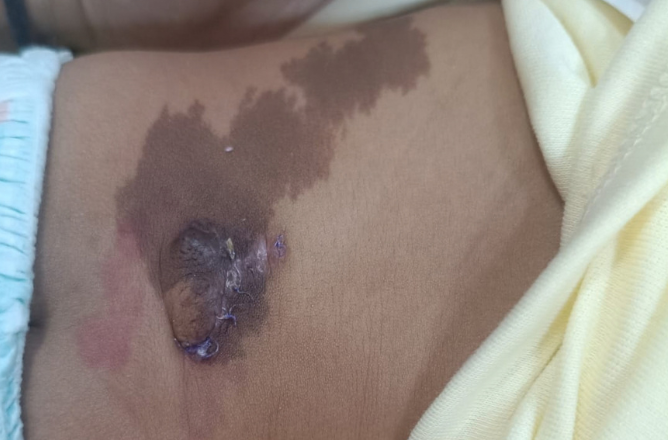
While it is a broad medical term with several different subtypes and varying degrees of severity, here are the essential points every parent should understand:
- It is a neural tube defect: It occurs when the spine and spinal cord do not develop properly.
- It varies widely: Some forms are very mild with few or no symptoms, while others are more complex and impact mobility, bladder control, and neurological function.
- Early intervention matters: Modern medical care, surgical advancements, and specialized therapies allow children with spina bifida to lead active, fulfilling, and independent lives.
Surgical Management and Spinal Levels in Spina Bifida
The Role of Surgery
There is no medical or pharmacological management that reverses spina bifida; when intervention is necessary, surgical repair is the primary path forward.
- Optimal Timing: Surgical correction is typically advocated within the window of three to six months of age. After the six-month mark, children may begin developing progressive issues with nerve function, making earlier intervention crucial to preserve neurological health.
- Weight and Health Considerations: There is no strict weight cut-off for these procedures. However, achieving a healthy, stable baby is always prioritized to ensure a smoother post-operative recovery and optimal wound healing.

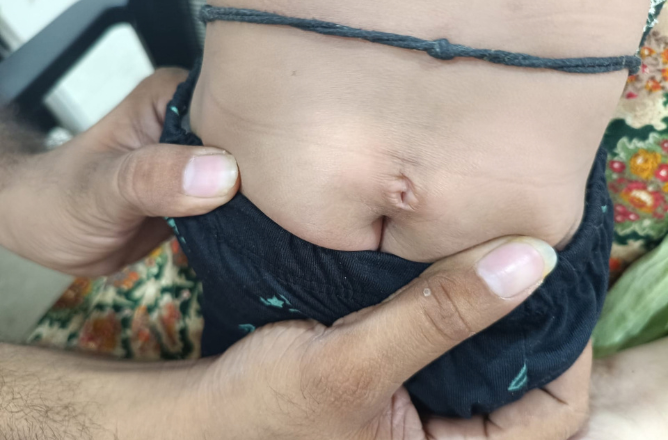
Understanding Spinal Levels and Function
The impact of spina bifida depends directly on its anatomical location along the spinal column. The spinal cord governs the functions of the body situated below the level of the defect:
- Segmental Control: Whichever level the spina bifida occurs at, all neurological functions below that specific level fall under the control of that spinal segment.
- Lower Back Defects: If the condition is located in the lower back, the affected segment typically dictates the functional domain for lower limb power, sensation, and bladder and bowel control.
This page is for general education only and does not replace an in-person consultation. If your child shows sudden changes — seizures, persistent vomiting, drowsiness or wound leakage — go to the nearest emergency department immediately.